European city breaks have a specific set of constraints that shape good packing decisions. Stations have stairs — the Paris Métro, in particular, has very few lifts outside the central lines. Pavements are uneven in Lisbon and Rome. Hotel rooms in Amsterdam and Paris run small. And low-cost cabin rules on Ryanair, Vueling, and EasyJet stay strict enough to penalise careless volume choices. The best city packing list accounts for all of that before anything goes in the bag.
The principle is consistent across trip lengths: the bag should move as easily as you do. According to Radical Storage, 71.7% of travellers report having overpacked for a trip, and 40% returned home with clothes they never wore. The edit that solves this is not more discipline — it is a clearer framework, applied before the packing begins.
Choosing the right bag for a city break
Trip length solves the bag question faster than any other variable. Volume shapes every packing decision that follows, so get this right first.
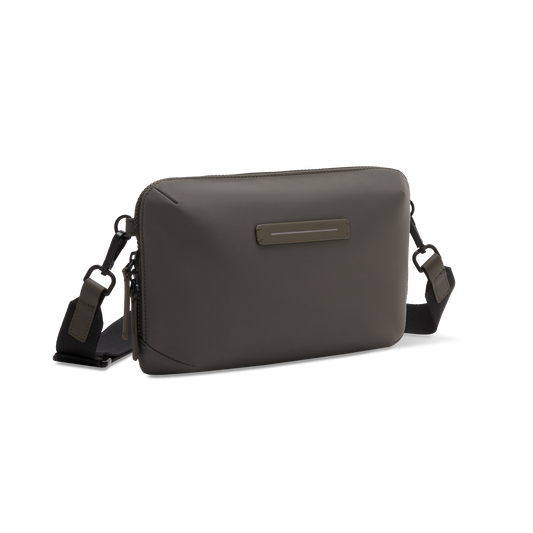
Same-day or one-night trip. The Gion Shoulder Bag (3L) or SoFo Cross-Body Bag (2L) keep the load small and close to the body — the right format for metro rides, museum circuits, and long walking days where you only need a phone, wallet, keys, charger, and sunglasses. Both are made from recycled materials and sit well across a day that moves between different contexts.
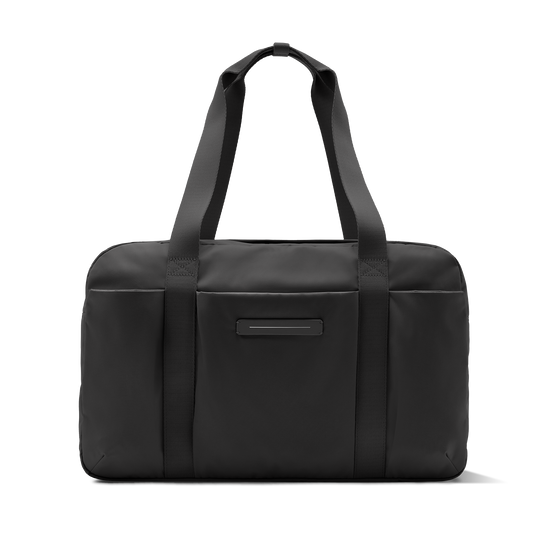
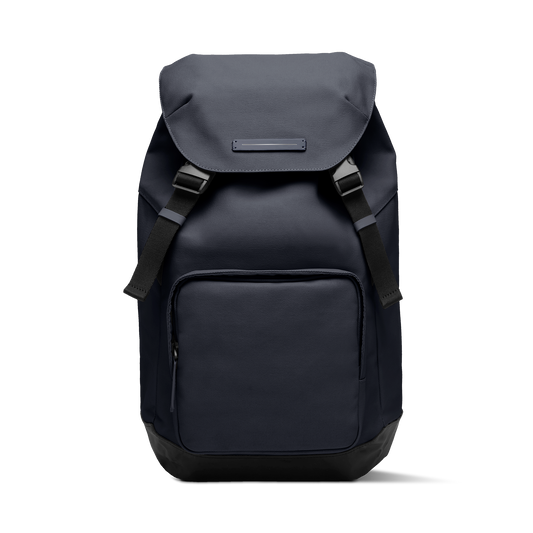
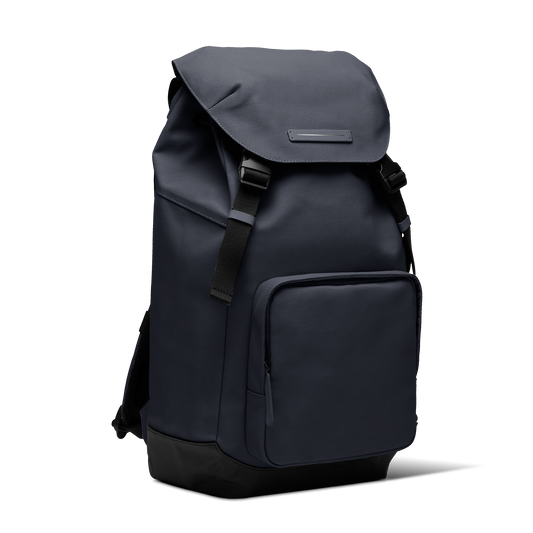
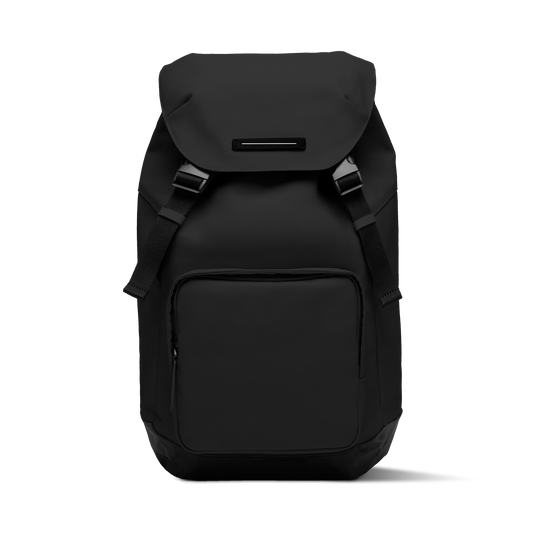
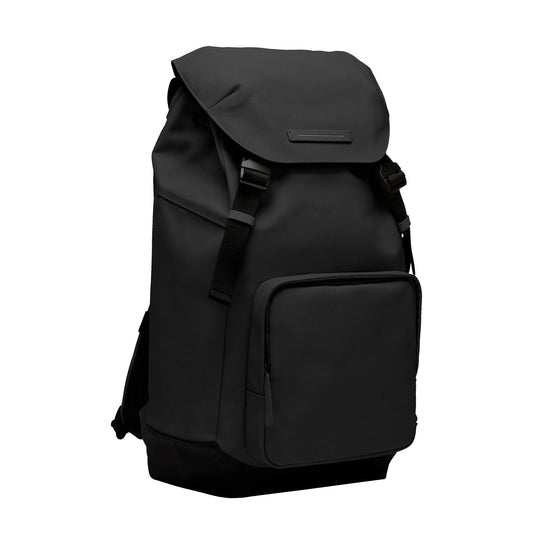
Two to three days. The SoFo Backpack City (23–26L, expandable) or Shibuya Weekender (30L) cover a polished weekend setup. Enough space for a compact wardrobe, light tech, and a toiletry kit. Both carry easily through stations and hotel lobbies without requiring a second bag. The SoFo Backpack City adds a padded 15" laptop compartment and a waterproof base — useful if the trip includes any work time or unpredictable weather.
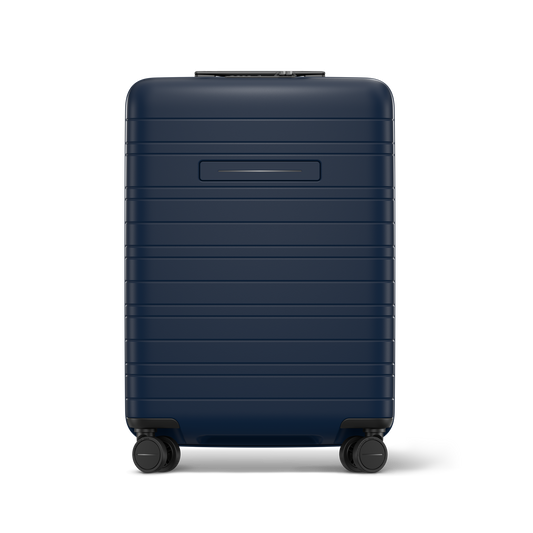
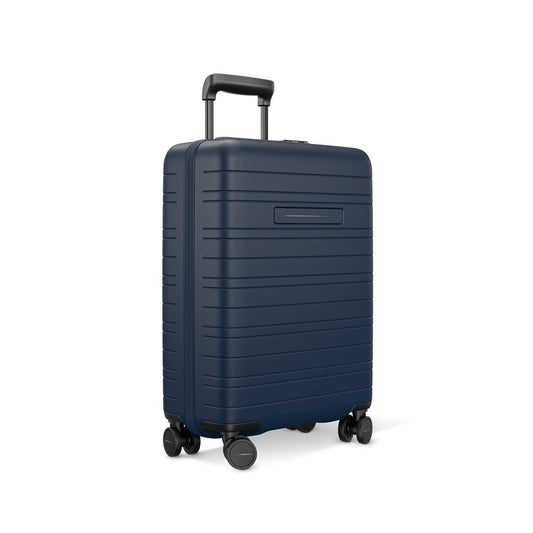
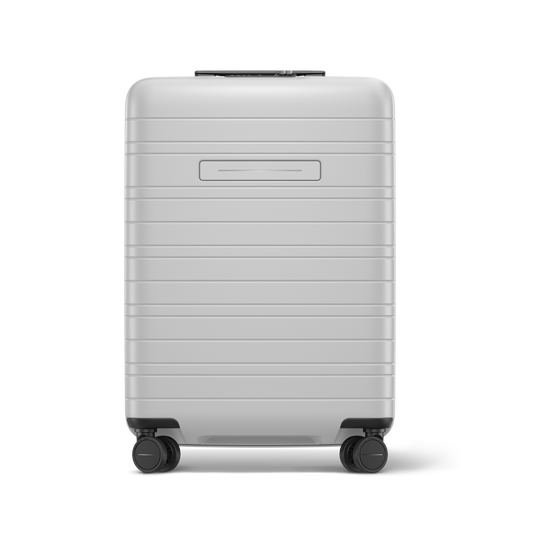
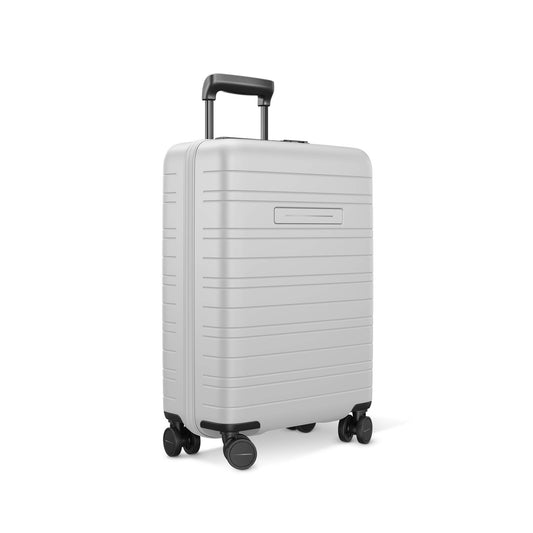
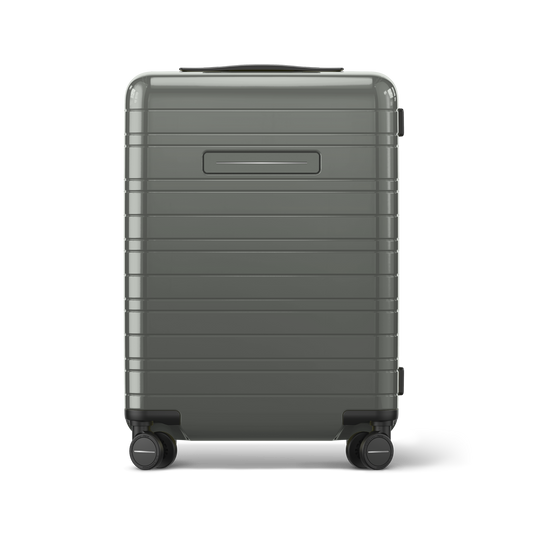
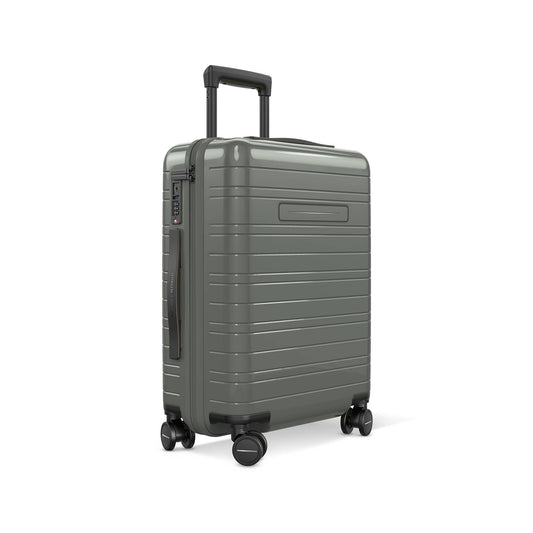
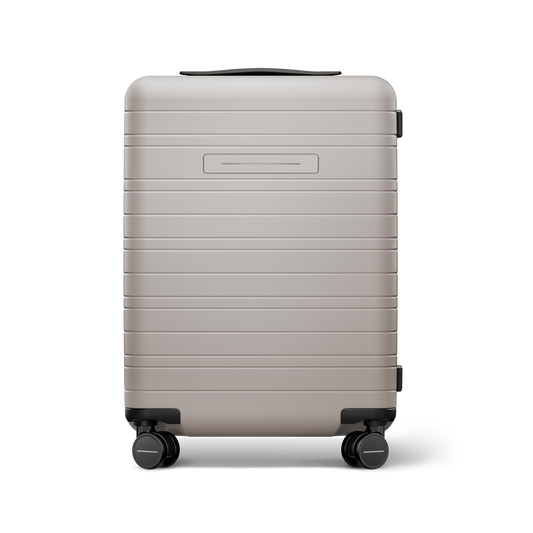
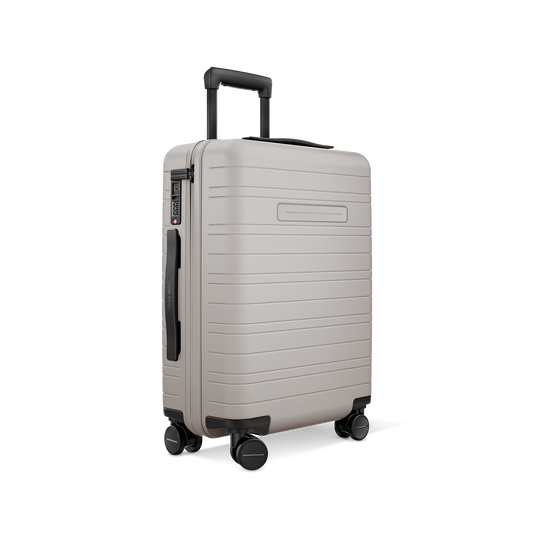
Three to five days. The H5 Essential (36L, 2.9 kg, 55 × 40 × 20 cm) gives proper carry-on structure for a longer urban trip. It fits within standard European cabin allowances on Lufthansa, Swiss, Eurowings, and EasyJet without needing to check dimensions twice. For travellers who want the same format at lower empty weight, the H5 Air comes in at 2.1 kg — the lightest cabin case in the Horizn range, and the more practical choice on stricter short-haul routes where the combined bag-plus-contents allowance is tight.
If you want to verify your case against specific carrier requirements before flying, current European cabin size allowances vary more than most travellers expect, particularly between full-service and low-cost fares.
Clothing for a city break
Build the wardrobe around interchangeability, not outfit count. A well-considered short-trip edit typically needs one outer layer, two or three tops that rotate across day and evening plans, two bottoms, underwear and socks for each day, and one optional upgrade for a dinner booking or theatre. That covers most scenarios without the dead weight that comes from packing for hypotheticals.
The case for restraint is specific. Radical Storage's data shows that 40% of travellers return home with clothes they never wore. The fix is capsule wardrobe logic applied to a short trip: breathable fabrics, wrinkle-resistant pieces, and a neutral palette that layers without effort. Dark denim, a well-cut overshirt, and two or three solid-colour tops cover a surprising range of city situations without looking like you are repeating.
Shoes are where most city packing goes wrong. Comfortable walking shoes — not fashion trainers that require breaking in — should be the default, not the backup. They handle Lisbon's cobblestones, Berlin's tram platforms, and long museum circuits at the Louvre or the Rijksmuseum while still looking considered with tailored trousers or a clean-line dress. A second pair is justified only when the forecast changes significantly or a specific reservation requires it.
Tech and accessories for a city break
The useful tech setup for most city breaks is phone, compact wall charger, power bank, one cable, and earbuds. A universal adapter is worth adding if the trip crosses a plug border — which in Europe can happen between a UK departure and a continental arrival, or between Western and Eastern European standards. This is the category where small omissions cause outsized irritation, so practicality beats minimalism.
One rule is worth treating as fixed: power banks with lithium-ion batteries belong in carry-on baggage, not in checked luggage. This applies regardless of whether you are flying from Heathrow, Charles de Gaulle, or Munich Airport. Batteries up to 100Wh are generally permitted without approval; 101–160Wh batteries require airline sign-off. Most consumer power banks sit well within the 100Wh limit — but it is worth checking the Wh rating printed on the device before you fly, not at the gate.
Comfort accessories — a lightweight scarf, sunglasses, a refillable water bottle, lip balm, blister patches, mini tissues — earn their space by improving long days without adding meaningful weight. Pack them in the outer pocket of the bag, not buried at the bottom. Easy access is the point.
What to leave behind
The fastest way to improve a city packing list is to cut items that add weight without adding genuine range. Extra shoes are usually the first to go. Then duplicate denim, full-size toiletries, bulky beauty kits, thick travel wallets, and event-specific pieces with no confirmed plan. These come from a contingency mindset that rarely reflects how urban trips actually unfold.
The logic for lighter packing has a practical grounding beyond comfort. The SITA 2025 Baggage Report recorded a global mishandling rate of 6.3 bags per 1,000 passengers in 2024. In absolute terms, airlines mishandled 33.4 million bags. For a city break where you need your wardrobe and charger on arrival, that number is an argument for keeping everything in the cabin. Seventy-one percent of travellers already avoid checking bags on city trips — that proportion reflects experience, not excessive caution.
Heels earn space when there is a confirmed reservation. Heavy beauty kits earn space when the hotel does not provide what you actually use. Everything else should pass one test: does it work across at least two outfits or two situations? If not, it stays home. For a broader framework on reducing dead space in any bag format, the principles apply equally to city travel.
The bag-by-bag breakdown
Same-day and one-night city trips
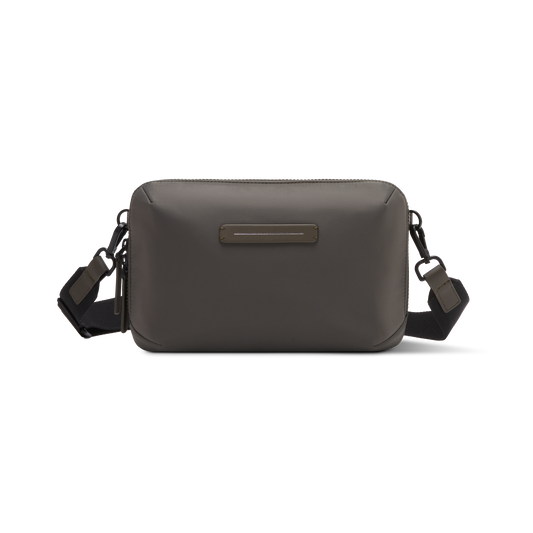
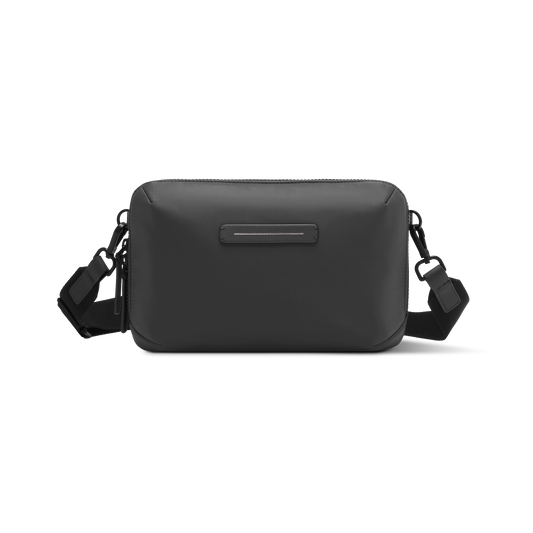
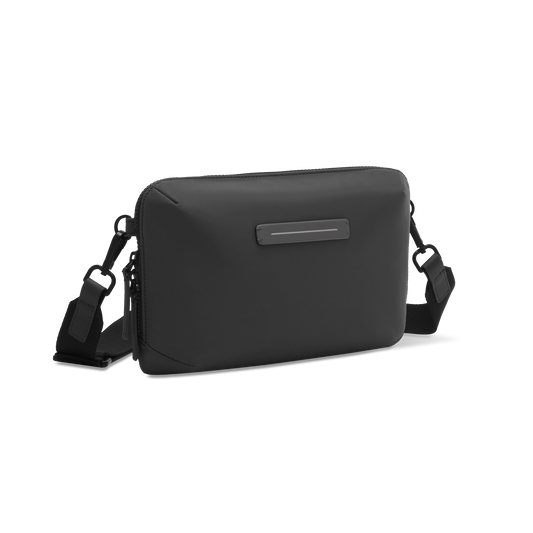
The Gion Shoulder Bag (3L, 290 g, recycled nylon) keeps essentials structured without adding bulk. The SoFo Cross-Body Bag (2L, 230 g, recycled waxed canvas) is the more minimal option — lighter on the shoulder and easier to manage on crowded metro lines in Paris or Madrid. Both clip or sit cleanly over one shoulder and allow hands-free movement, which matters on busy streets and market visits.
Two- to three-day city breaks
The SoFo Backpack City (23–26L expandable, 1.15 kg) is the more structured option: waterproof base, padded 15" laptop compartment, hidden rear and side pockets, and a breathable mesh back panel. It works for a weekend in Amsterdam or a long-weekend in Barcelona when the trip includes some work time. The Shibuya Weekender (30L, 530 g, Re-Nylon) is lighter and more relaxed in format — no laptop compartment, but a spacious main compartment with a double-slider zipper and a luggage strap for attaching directly to a Horizn case handle. Both carry on most European carriers without issue.
Three- to five-day city breaks
The H5 Essential (36L, 2.9 kg, 55 × 40 × 20 cm) is a clean hard-shell cabin case with dual mesh dividers, silent 360° spinner wheels, and a TSA-approved lock. Lifetime warranty. It fits within standard allowances on Lufthansa, Swiss, Eurowings, Air France, and EasyJet without modifications. The H5 Air (33L, 2.1 kg, 55 × 37 × 20 cm) is the lower-weight alternative — built from ultra-light polycarbonate with every component individually weight-optimised. On Ryanair or Wizz Air fares where the combined cabin weight limit is 10 kg or under, 800 g less empty weight translates directly to more usable packing room.
Frequently asked questions
What bag should I use for a day of city sightseeing?
A small shoulder or crossbody bag is the right format when you only need a phone, wallet, keys, charger, and sunglasses. The Gion Shoulder Bag (3L) gives a bit more structure; the SoFo Cross-Body Bag (2L) is lighter and easier on crowded metro lines and market streets.
What is the best bag size for a 2- to 3-day city break?
A compact backpack or weekender in the 23–30L range covers a two- to three-day trip without crossing into full carry-on territory. The SoFo Backpack City (23–26L expandable) suits a more structured pack with a laptop compartment; the Shibuya Weekender (30L) is the lighter, more relaxed option.
Is 36L too much for a city break?
Not for a three- to five-day trip. The H5 Essential at 36L and 55 × 40 × 20 cm fits within most European cabin allowances and gives proper structure for a longer urban trip without encouraging overpacking. If weight is the constraint, the H5 Air at 33L and 2.1 kg is the more practical choice on stricter routes.
How many outfits do I need for a weekend city trip?
Two interchangeable daytime looks, one smarter evening option, and one outer layer cover most weekend trips. That is typically one outer layer, two or three tops, and two bottoms. More than that usually results in pieces that never leave the bag.
Can I put a power bank in checked luggage?
No. Lithium-ion power banks must travel in cabin baggage, not in checked luggage. This applies at all European airports. Batteries up to 100Wh are generally permitted without prior approval; 101–160Wh batteries require airline sign-off.
What shoes work best for city travel?
Comfortable walking shoes with proper support — not fashion trainers that need breaking in. They handle cobblestones in Lisbon, tram platforms in Berlin, and long museum days in Amsterdam or Paris while still looking considered with most city outfits. A second pair is worth packing only when the forecast or a specific reservation genuinely requires it.
What should I leave at home for a city break?
Extra shoes, duplicate denim, full-size toiletries, bulky beauty kits, and event-specific pieces with no confirmed plan. Apply one filter: if an item does not work across at least two outfits or two situations, it stays home.
Do I need a laptop on a city break?
Only if the trip includes genuine work time — writing, calls, or anything that needs a larger screen. For answering messages and boarding passes, a phone is enough. If you do bring a laptop, the SoFo Backpack City has a padded 15" compartment that handles the airport-to-café transition cleanly.
What European airline cabin allowances should I know for 2026?
Standard allowances: Lufthansa and Swiss 55 × 40 × 23 cm, Air France 55 × 35 × 25 cm, EasyJet 56 × 45 × 25 cm, Eurowings 55 × 40 × 23 cm, Ryanair 40 × 20 × 25 cm for smaller bags under basic fares. The H5 Essential at 55 × 40 × 20 cm sits within the majority of these. Always confirm against your specific fare class — restrictions vary between ticket types.
Is a crossbody or shoulder bag better for city trips?
Choose by how much you need to carry and how you prefer to move. A shoulder bag — like the Gion Shoulder Bag — feels more structured and works well when you want a polished look. A crossbody — like the SoFo Cross-Body Bag or Gion Cross-Body Bag S — sits closer to the body and is easier to manage on crowded public transport and busy streets.


 -30% Essential+4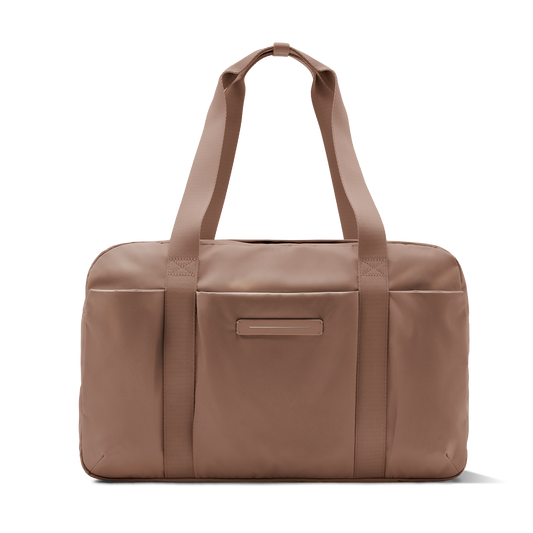


 -35% Essential